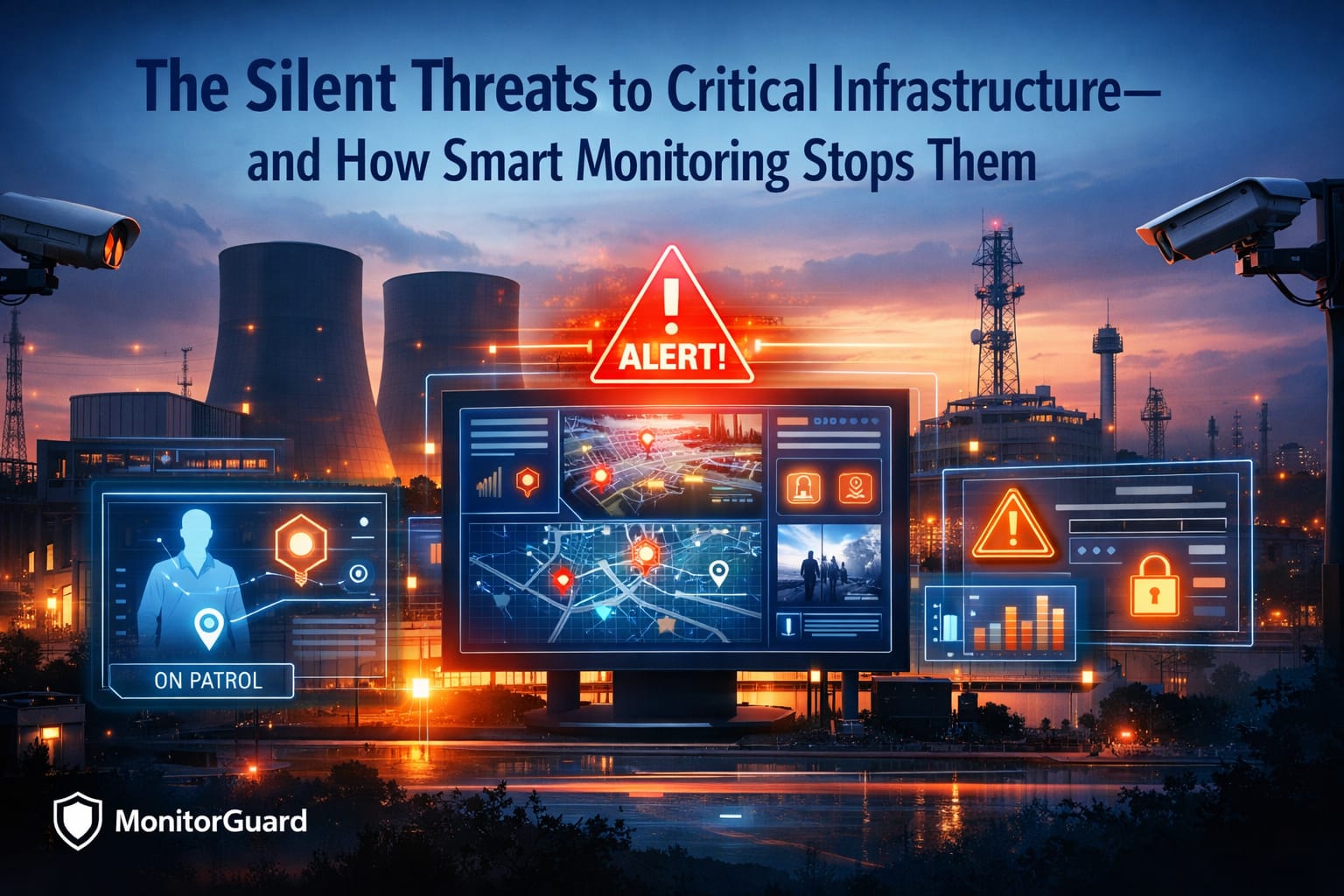
The Silent Threats to Critical Infrastructure - and How Smart Monitoring Stops Them
Critical infrastructure plays a vital role in keeping societies running smoothly. Power plants, water treatment facilities, transportation networks, data centers, and communication systems form the backbone of modern life. Any disruption to these assets can result in serious consequences - economic losses, safety risks, and public chaos.
While physical attacks are often visible, the real danger lies in silent threats - those that go unnoticed until it’s too late. This is where smart monitoring systems like Monitor Guard become essential.
Why Critical Infrastructure Security Is More Important Than Ever
Critical infrastructure sites operate 24/7 and cover vast, complex environments. These facilities are often exposed to risks such as:
- Unauthorized access or insider threats
- Equipment failure and system downtime
- Negligence or missed patrols
- Delayed incident response
- Lack of real-time visibility
Traditional security methods alone are no longer enough to handle these evolving challenges.
Understanding Silent Threats to Critical Infrastructure
Silent threats are risks that do not cause immediate alarms but slowly escalate into major incidents. These include:
- Missed security patrols
- Unreported suspicious activity
- Guards not present in high-risk zones
- Delayed communication during emergencies
- Lack of accountability and reporting
Without proper monitoring, these small gaps can compromise the entire facility.
How Smart Monitoring Stops These Threats
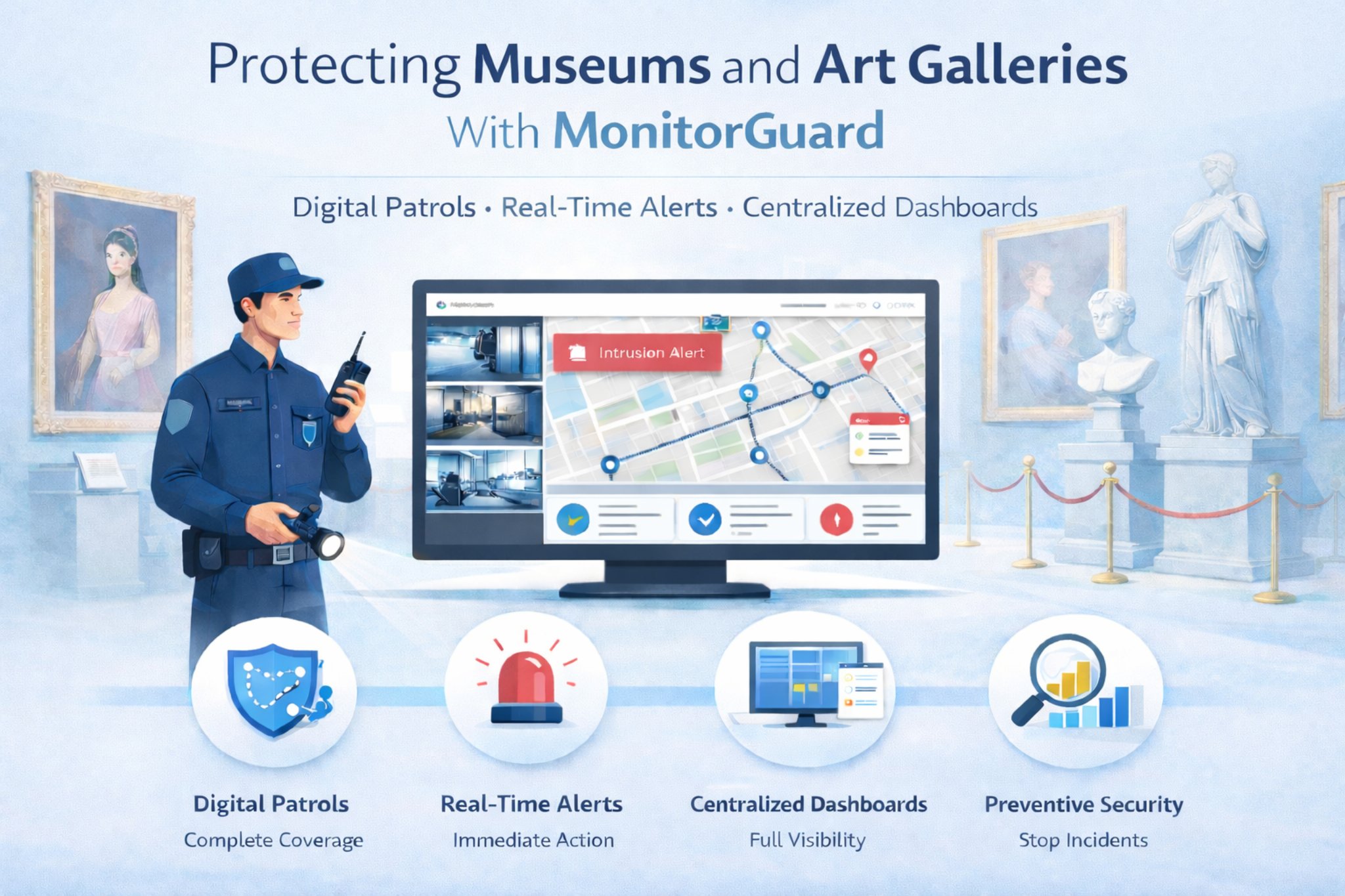
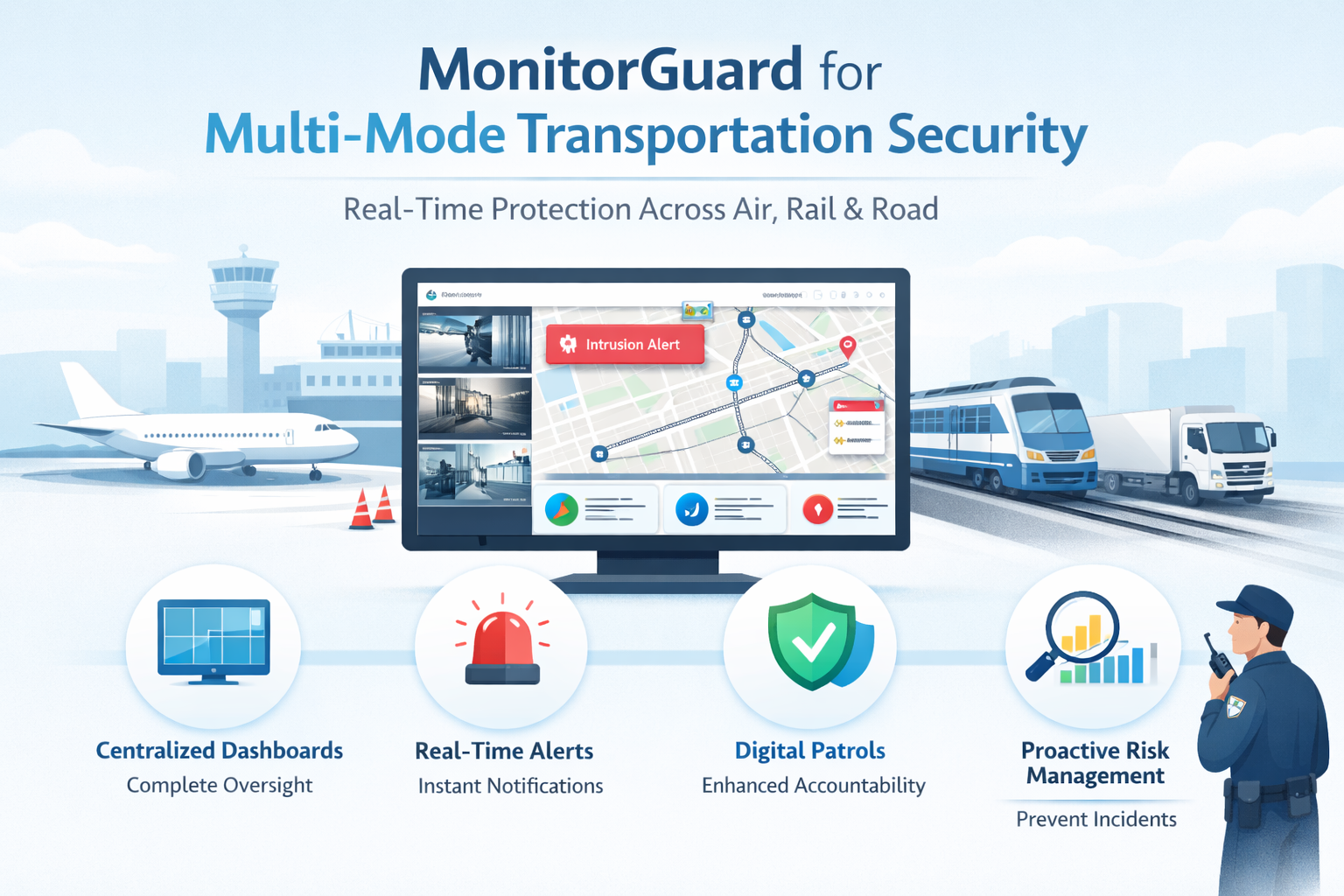
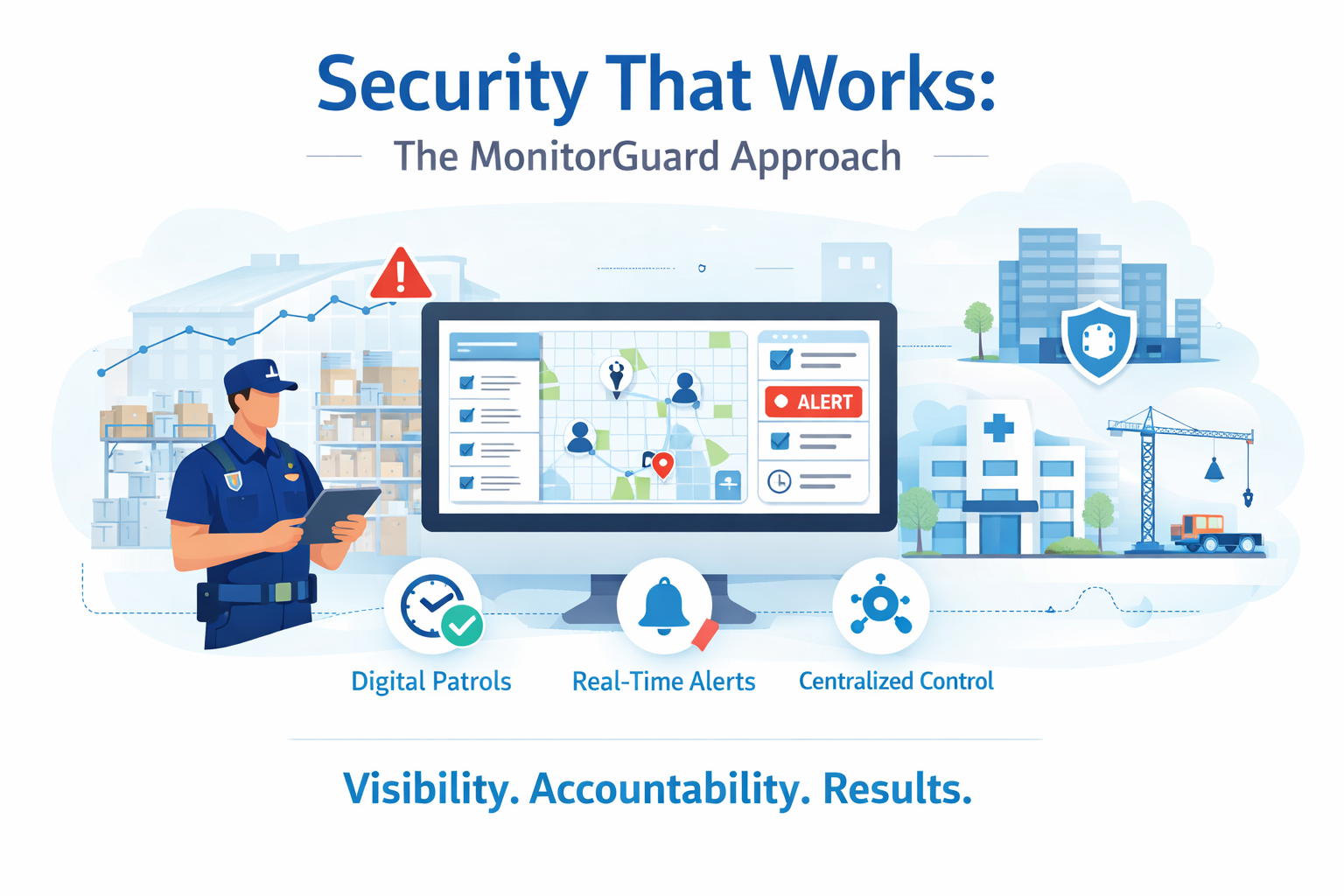
Smart monitoring systems like Monitor Guard provide real-time oversight and control, ensuring no activity goes unnoticed.
1. Real-Time Guard Monitoring
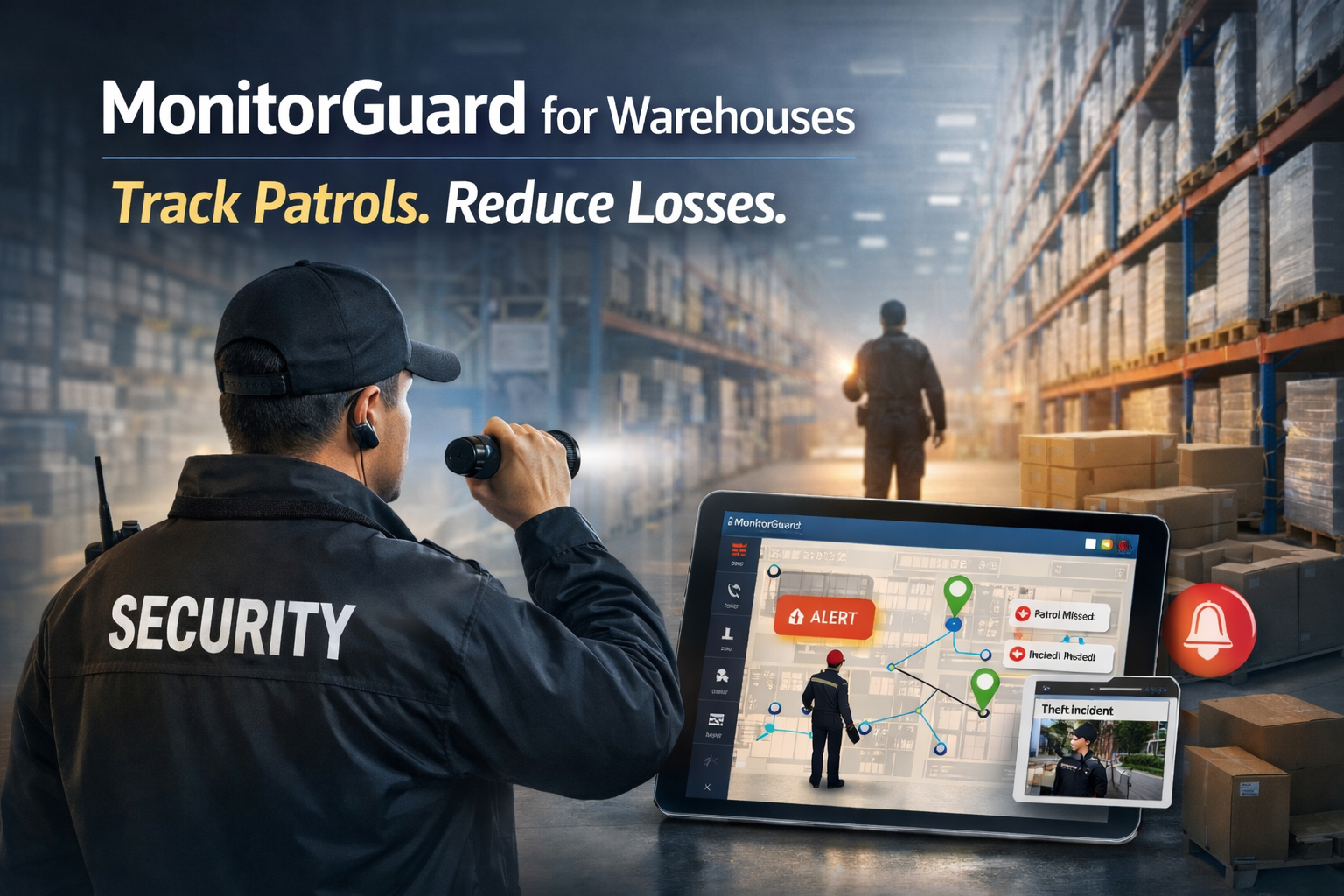
Monitor Guard allows supervisors to track security personnel live, ensuring guards are:
- Present at assigned locations
- Actively patrolling critical areas
- Covering high-risk zones effectively
This eliminates blind spots and strengthens site security.
2. Smart Patrol & Checkpoint Verification
With predefined patrol routes and checkpoints:
- No critical area is skipped
- Guard performance is verified digitally
- Compliance is ensured at all times
This is crucial for large infrastructure sites where manual supervision is impossible.
3. Instant Incident Reporting
If a suspicious activity, technical fault, or safety concern arises, guards can:
- Submit instant incident reports via mobile app
- Attach images or notes
- Alert supervisors in real time
This allows management to act immediately instead of reacting after damage occurs.
4. Panic Button & Emergency Alerts
In case of emergencies, a single tap on the panic button:
- Sends instant alerts to supervisors
- Shares the guard’s exact location
- Speeds up emergency response
Fast response can prevent small issues from turning into disasters.
5. Centralized Dashboard & Communication
Monitor Guard provides a centralized dashboard that:
- Connects guards, supervisors, and control rooms
- Improves coordination and communication
- Offers complete operational visibility
This ensures smooth security operations across multiple infrastructure sites.
6. Data, Reports & Accountability
After daily operations or incidents, Monitor Guard generates:
- Patrol history reports
- Guard attendance logs
- Incident records
- Performance analytics
This data supports audits, compliance, and future security planning.
Why Critical Infrastructure Operators Choose Monitor Guard
Organizations responsible for critical infrastructure rely on Monitor Guard because it:
- Enhances security transparency
- Reduces operational risks
- Improves response time
- Ensures guard accountability
- Builds trust with stakeholders and authorities
Final Thoughts
The biggest threats to critical infrastructure are often the ones you can’t see. Silent failures, missed patrols, and delayed responses can lead to serious consequences.
By combining trained security personnel with Monitor Guard Smart Monitoring Software, organizations gain real-time visibility, stronger control, and peace of mind.
In a world where infrastructure security is non-negotiable, smart monitoring isn’t optional - it’s essential.